You are tired. Not just “I stayed up too late” tired, but “in your bones” tired. Walking up a flight of stairs leaves you winded. You are chewing ice (a weird craving called pica). Your hair is shedding in handfuls.
Before you blame your hormones, check your iron. Perimenopause is famous for the “flooding” phase—heavy, clot-filled periods that can last for days. This rapid loss of blood depletes your iron stores faster than your diet can replace them.
Hemoglobin vs. Ferritin
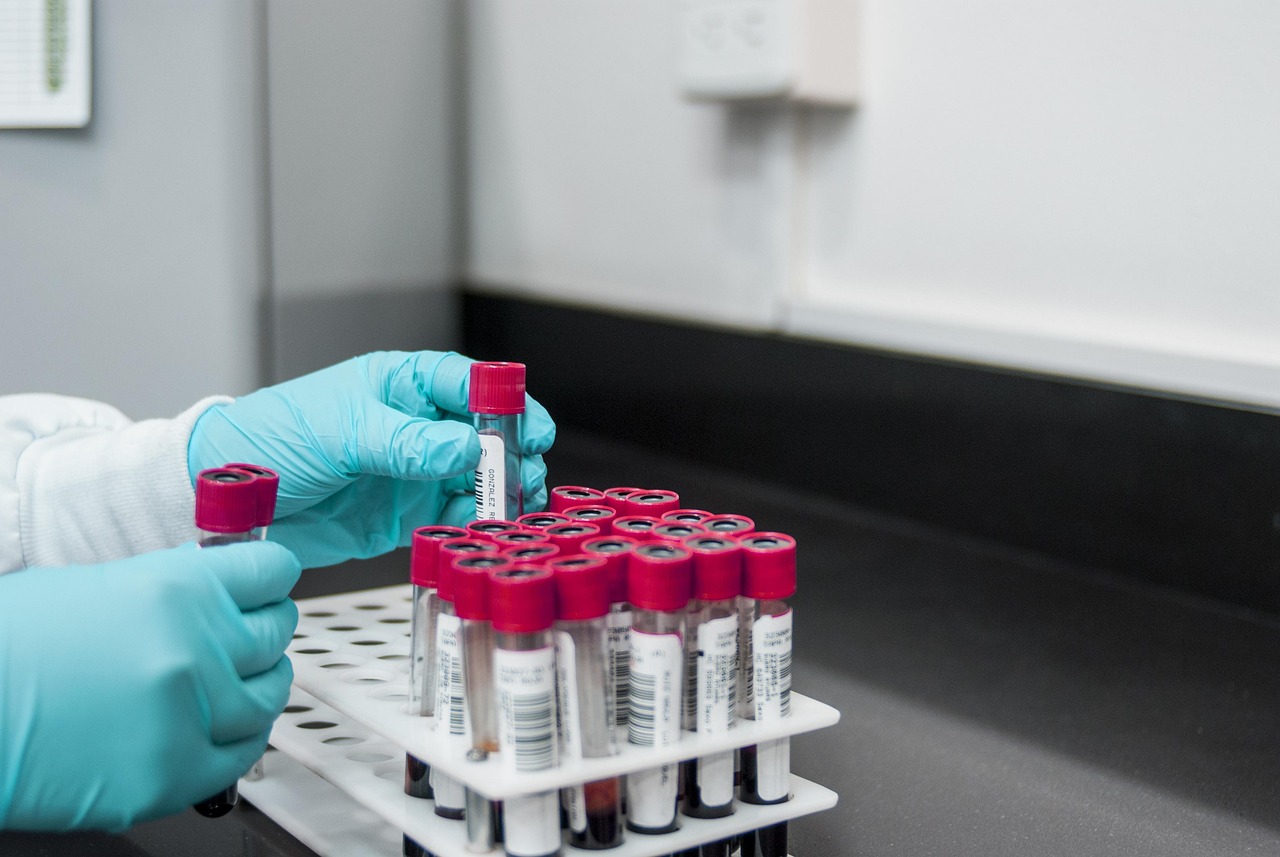
When doctors test for anemia, they look at Hemoglobin. This is the iron currently circulating in your red blood cells. If this is low, you are Anemic.
But there is a second tank: Ferritin. Ferritin is your iron storage protein. Think of Hemoglobin as the cash in your wallet, and Ferritin as the money in your savings account.
You can drain your savings account (Ferritin) to zero while still having cash in your wallet (Hemoglobin). Your doctor will look at your normal Hemoglobin and say, “You aren’t anemic.” But because your savings are empty, your body goes into energy conservation mode.
The “Normal” Range is a Lie
Lab ranges for Ferritin are absurdly wide, often 15–150 ng/mL. If your result is 16, the lab flags it as “Normal.”
Clinical reality is different:
-
Below 30: You will likely experience hair loss and fatigue.
-
Below 50: Optimal hair regrowth is difficult.
-
Below 80: Often required for optimal athletic performance and energy.
Many women enter menopause with a Ferritin level of 12. They are running on fumes. This exacerbates every other symptom of perimenopause. Heart palpitations? That’s often low iron. Breathlessness? Low iron. Restless legs at night? Classic low iron.
The Fix: Eating vs. Supplementing
If your Ferritin is below 30, you cannot eat enough steak and spinach to fix it. The deficit is too deep. You need supplementation.
However, iron pills are hard on the gut (constipation, nausea). The trick is to take “Gentle Iron” (Iron Bisglycinate) which is chelated and easier to absorb. Always take it with Vitamin C to boost absorption, and never take it with coffee, tea, or calcium, which block absorption.
In severe cases of heavy bleeding, an Iron Infusion (IV) can be a life-changing procedure. It refills the tank in 30 minutes. If you are struggling to function, ask your hematologist if you qualify.