You thought you knew the rules. “Start at 50.” Or maybe “Start at 40 if your mom had it.” Then you turn on the news, and the guidelines have changed again. One organization says every year; another says every two years. You feel anxious. “Am I doing enough? Or am I over-radiating myself?”
Breast cancer screening is the most debated topic in women’s health. But in 2024, the confusion finally cleared up with a major update that affects almost every woman in perimenopause. Here is the new reality: The “Wait until 50” era is over.
The 2024 Guideline Shift
For years, the powerful U.S. Preventive Services Task Force (USPSTF) said women could wait until age 50 to start mammograms. In April 2024, they officially changed their stance. The New Rule: All women should start screening at Age 40. Why the change?
- Rising Rates: Invasive breast cancer rates in women aged 40–49 have been climbing by 2% per year.
- Racial Disparity: Black women are 40% more likely to die of breast cancer than White women and often develop aggressive cancers at younger ages. Waiting until 50 was costing lives.
The Density Dilemma: The “Snowstorm”
The biggest blind spot in screening is Breast Density. Your breasts are made of fat and fibrous tissue.
- Fat looks dark on a mammogram.
- Cancer looks white on a mammogram.
- Dense Fibrous Tissue looks white on a mammogram.
If you have dense breasts (which 50% of women do), looking for a tumor on a standard mammogram is like looking for a snowball in a snowstorm. You can’t see it.
Many women walk out of a mammogram with a “Normal” letter, unaware that the test was technically useless because their density hid the cancer.
The Fix: You must know your density score (A, B, C, or D). If you are Category C (Heterogeneously Dense) or Category D (Extremely Dense), a standard mammogram is not enough. You need:
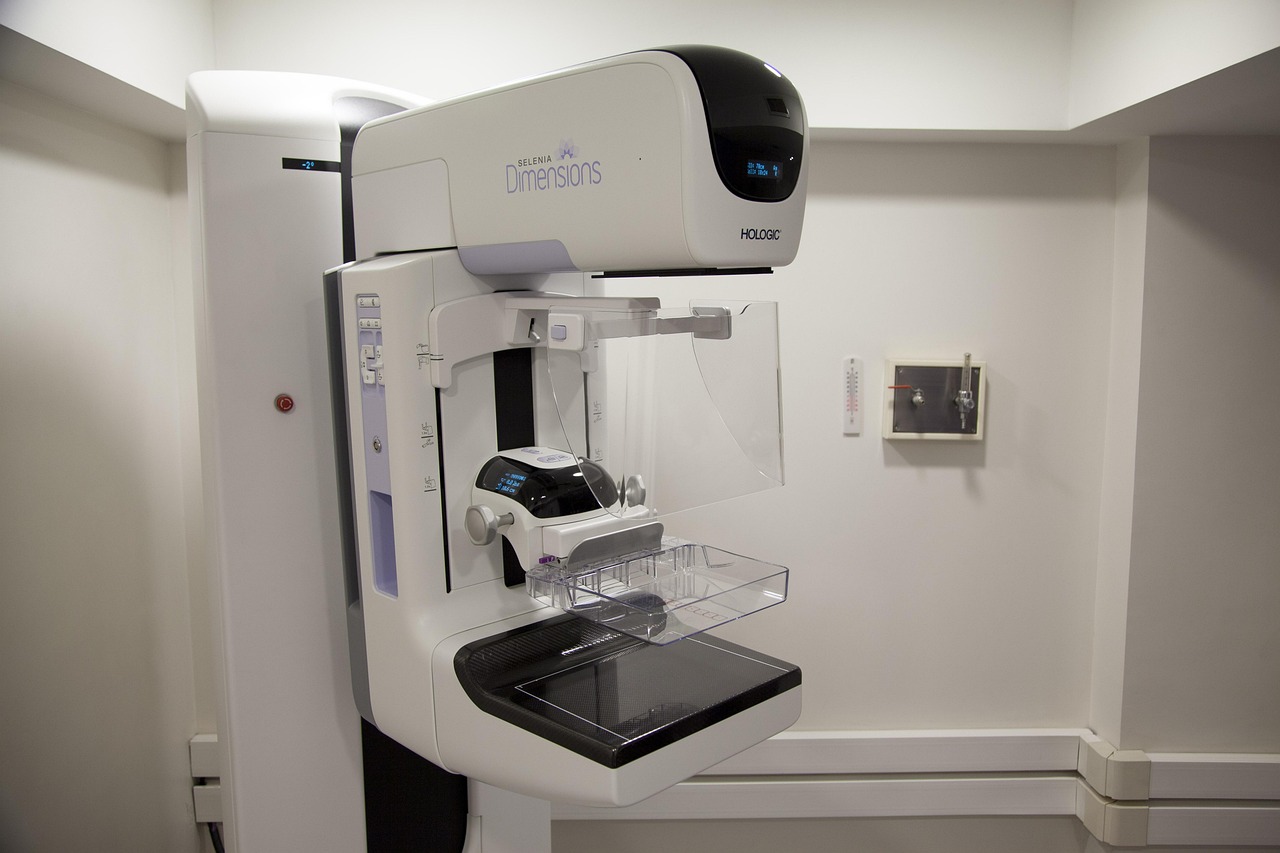
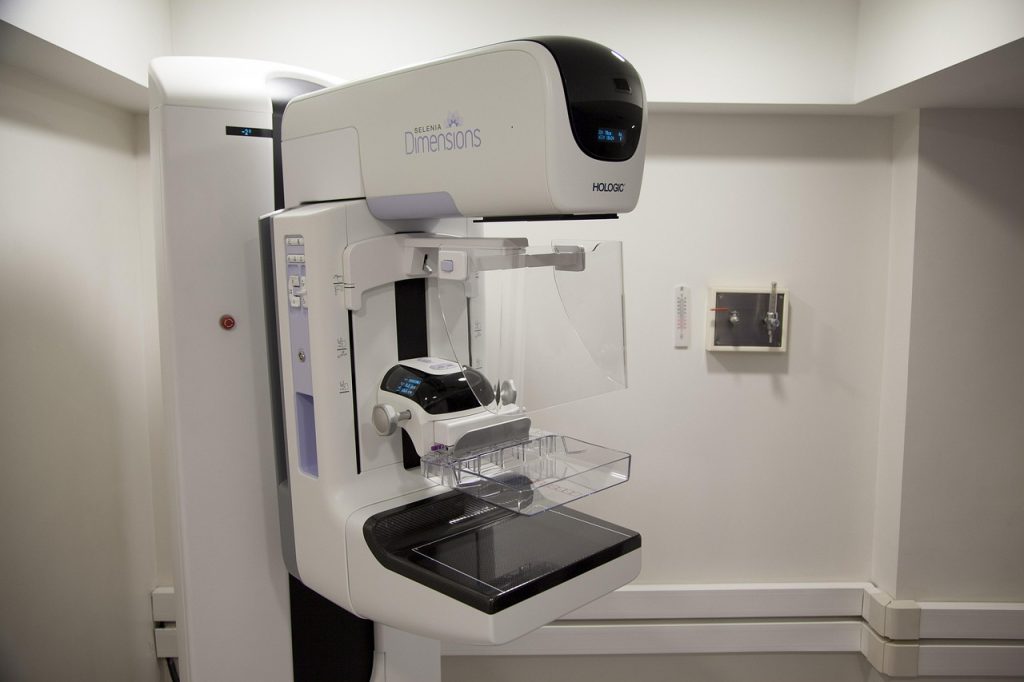
- 3D Mammography (Tomosynthesis): This takes slices of images, allowing the radiologist to look “through” the density. It detects 40% more cancers than 2D.
- Whole Breast Ultrasound: This uses sound waves (no radiation) to find masses that the mammogram missed.
The Tyrer-Cuzick Score
Don’t just rely on “family history.” Ask your doctor to run a Tyrer-Cuzick Risk Assessment. It is a calculator that looks at your age, your period start age, your birth history, and your family to give you a percentage risk.
- Average Risk: < 15% lifetime risk.
- High Risk: > 20% lifetime risk. If you are High Risk, you shouldn’t just be getting mammograms; you likely need a Breast MRI every year starting at age 30 or 35.
The Action Plan
- Start at 40: Schedule your baseline.
- Demand 3D: Do not accept an old-school 2D machine. 3D is the standard of care.
- Read the Letter: Look specifically for the line about “Density.” If it says you are dense, ask for an Ultrasound order immediately.
- Frequency: Go Every Year. The Task Force says “every other year” is acceptable, but most oncologists argue that aggressive cancers can grow significantly in 24 months. Annual screening saves the most lives.