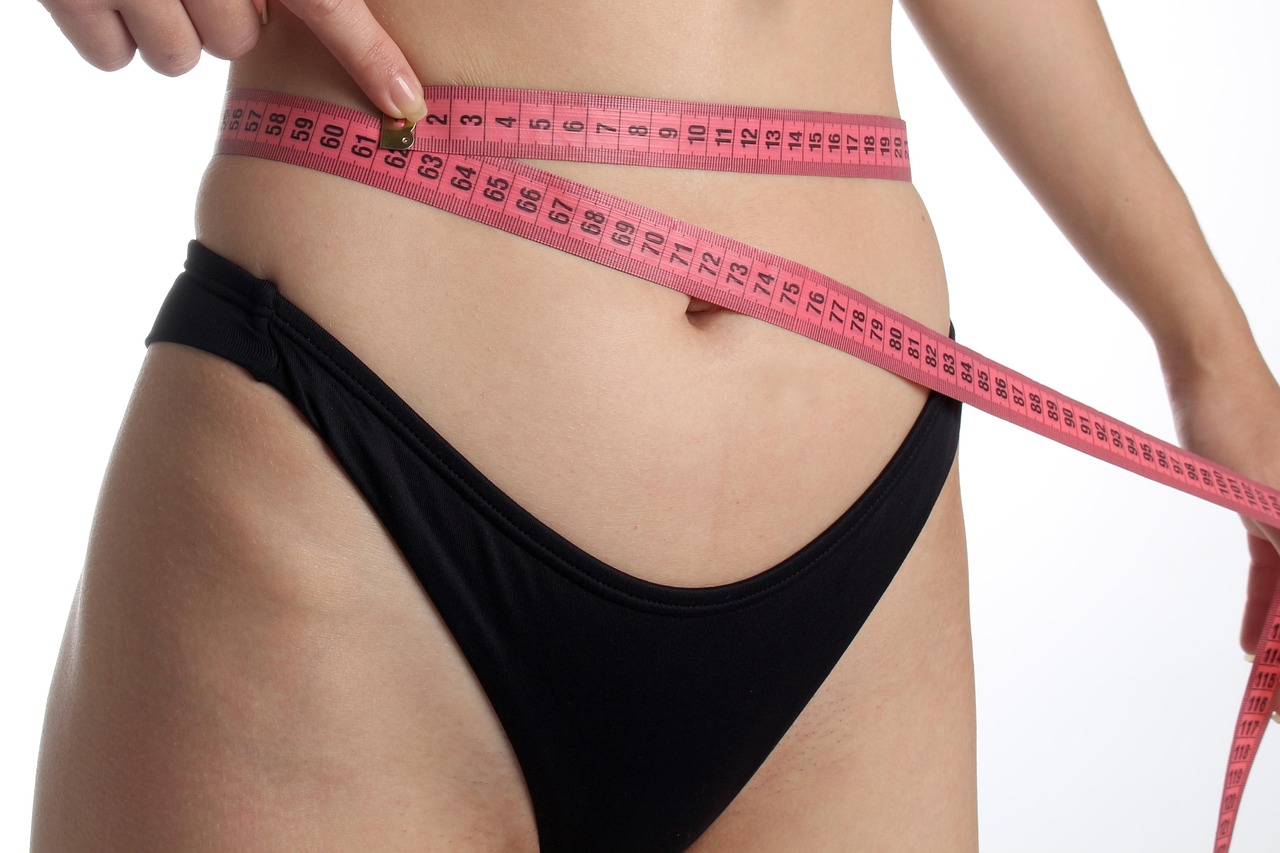
You have had the same waistline for 20 years. You fit into the same size 8 jeans. Then, seemingly overnight, the button won’t close. You look in the mirror, and the weight isn’t on your thighs or your butt anymore. It is sitting squarely in the middle, like a spare tire. It feels hard, not squishy. You diet. You run. You do a hundred crunches. Nothing happens.
This is the Visceral Shift, often called the “Menobelly.” It is the single most common body composition complaint in perimenopause. And it is not just vanity; it is a biological warning sign. Your body has changed its storage protocols, and it is prioritizing survival over your silhouette.
The Mechanism: From Storage to Factory
To understand why the fat moved, you have to understand the two types of fat:
- Subcutaneous Fat: This is the “pinchable” fat under your skin (on your hips, thighs, and arms). It is passive storage. It is evolutionarily designed to help you survive pregnancy and breastfeeding. Estrogen loves this fat. It directs calories here.+1
- Visceral Fat: This is the fat deep inside your abdomen. It packs around your liver, pancreas, and intestines. It pushes your stomach wall out, creating that “hard” potbelly look.+2
The Estrogen Redirect: When you have high estrogen, your body stores fat subcutaneously (The “Pear” shape). This is cardio-protective. When estrogen leaves, the body switches to the “Apple” shape (the male pattern). Without estrogen to guide the fat to the hips, it settles in the visceral cavity.
The Danger: Visceral fat is not just storage; it is an active organ. It acts like a rogue gland. It pumps out inflammatory chemicals (cytokines) and hormones. It strangles your internal organs. It pours free fatty acids directly into the liver, causing insulin resistance and high cholesterol. The shift to visceral fat is the primary driver of the spike in heart disease and diabetes risk in post-menopausal women.
The Cortisol Connection: The Stress Belly
But estrogen is only half the story. The other half is Cortisol. Perimenopause is a state of chronic biological stress. The fluctuations in hormones signal “danger” to the brain. When your brain senses danger, it releases Cortisol. Cortisol has one job: Fuel the fight. It mobilizes sugar into the blood so you can run from a tiger. But you aren’t running from a tiger; you are sitting in a traffic jam or lying awake at 3 AM.+1
Since you don’t burn off that sugar, Cortisol has to put it somewhere. Cortisol specifically targets Visceral Fat. Why? Because visceral fat has 4x more cortisol receptors than other fat. It is the “Easy Access” pantry. Your body packs fat around your organs so it can grab it quickly the next time the tiger comes. If you are doing High Intensity Interval Training (HIIT) and fasting and stressing out trying to lose the weight, you are spiking cortisol more. You are telling your body the war is on. So your body holds onto the belly fat for dear life.+1
The Alcohol Trap
If you are struggling with the belly, you have to talk about wine. Alcohol is the “Visceral Fat Fertilizer.”
- Empty Calories: It is pure sugar.
- Cortisol Spike: Alcohol raises cortisol levels for 24 hours after drinking.
- Estrogen Dominance: It stresses the liver, preventing it from metabolizing old estrogen effectively. Many women find that simply cutting out the nightly glass of wine causes the “Menobelly” to deflate by 50% in two weeks. It wasn’t all fat; a lot of it was inflammatory water retention caused by the alcohol-cortisol loop.
The Toolkit: Shrinking the Middle
You cannot “spot reduce” with crunches. You have to change the hormonal signal.
1. Walking, Not Running Running spikes cortisol. Walking lowers it. Long, slow walks (Zone 2 Cardio) tell your body “We are safe.” When the body feels safe, it releases the storage. Swap the spin class for a rucking session (walking with a weighted vest). The vest adds resistance (good for bones) without the cortisol spike of sprinting.
2. Sleep is the Fat Burner You burn the majority of your visceral fat while you sleep. If you sleep less than 7 hours, your cortisol stays high, and your insulin sensitivity drops. Prioritizing sleep is the most effective weight loss strategy for women over 45.
3. HRT (The Stop Sign) Does HRT make you gain weight? No. Studies show that women on transdermal estrogen gain less visceral fat than women who are not. Estrogen prevents the “Shift.” It keeps the body storing fat in the “safe” places (hips/thighs) rather than the dangerous places (gut).
4. Protein First To battle the insulin resistance that drives belly fat, you must prioritize protein. Aim for 30 grams of protein at every meal. This stabilizes blood sugar, keeps insulin low, and feeds the muscle (which burns the fat).
The Menobelly is stubborn because it is a survival mechanism. You cannot starve it away. You have to soothe it away. Lower the stress, and the body will lower the shields.