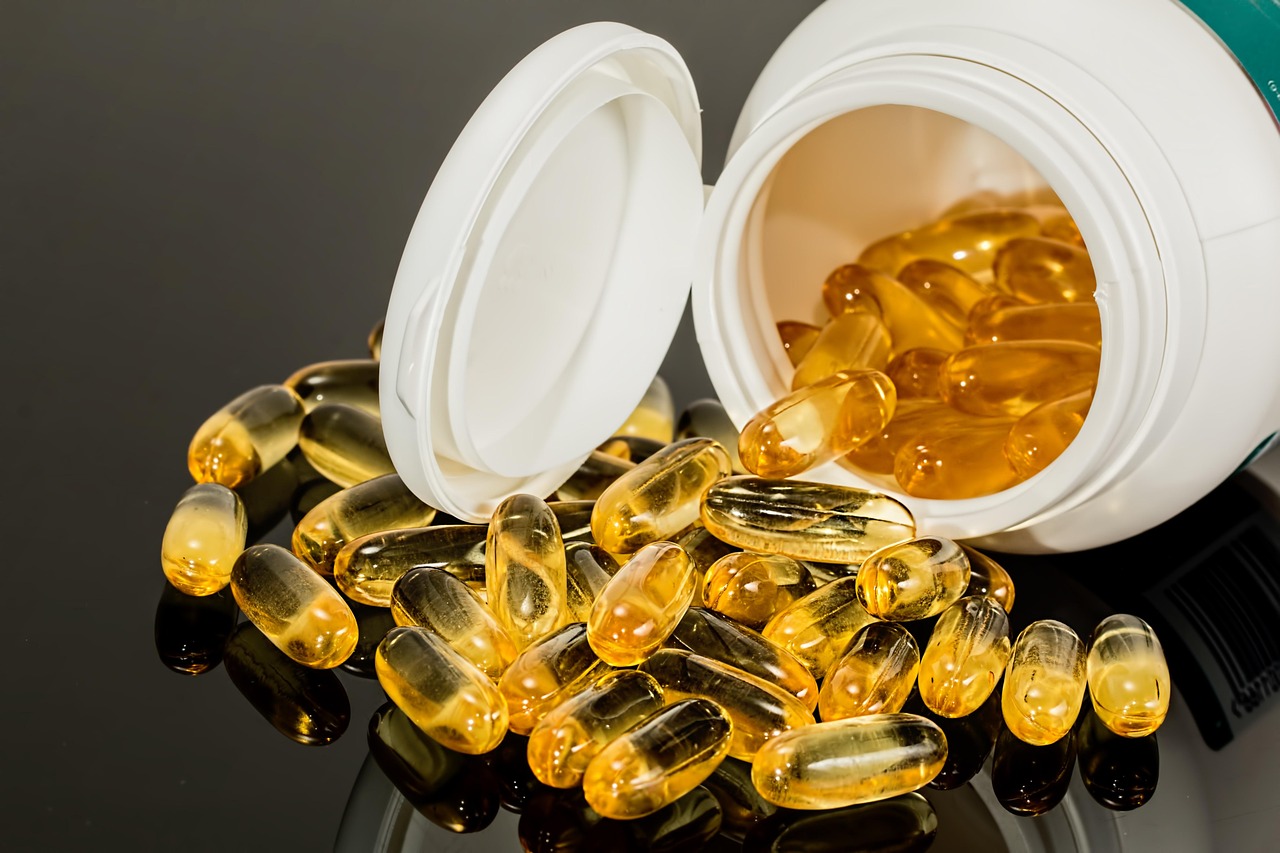
You see the ads on Instagram or in the window of a boutique wellness clinic. They promise “Customized Bioidentical Hormones.” They claim to mix a special potion just for you, based on your saliva test, that is “natural” and safer than the “cookie-cutter” drugs from the pharmacy. It sounds appealing. Who doesn’t want something bespoke?
But if you look at the guidelines from the North American Menopause Society (NAMS), the British Menopause Society, and the Endocrine Society, they all scream the same warning: “Avoid Compounded Bioidentical Hormones.”
Why is there such a massive gap between the wellness marketing and the medical consensus? It comes down to three things: Safety, Potency, and Marketing Myths.
The “Bioidentical” Marketing Trick
First, we have to clear up the biggest lie in menopause marketing. Compounding pharmacies have successfully convinced women that “Compounded” = “Bioidentical” and “FDA-Approved” = “Synthetic.” This is false.
You can get 100% Bioidentical Estradiol (from yams) and 100% Bioidentical Progesterone at your regular CVS or Walgreens.
- The Estradiol Patch (Climara, Vivelle-Dot) is bioidentical.
- The Prometrium Capsule is bioidentical.
You do not need to go to a compounding pharmacy to get “natural” hormones. You can get them on your standard insurance plan, fully FDA-regulated.
The Problem with “Customization”
Compounding clinics often sell you on the idea of Saliva Testing. They claim they will measure your hormone levels and mix a cream with the exact micro-dose you need to balance your system. The Science: Hormone levels fluctuate wildly. Your estrogen at 8:00 AM is different from your estrogen at 2:00 PM. A saliva test is just a snapshot of a moving roller coaster. Customizing a prescription based on that snapshot is medically meaningless. It is pseudoscience designed to sell expensive testing kits.
The Potency Danger: The Cookie Batch Effect
When you buy an FDA-approved patch, you know that every single patch in that box contains exactly 0.05mg of estradiol. The factory is inspected. The dosage is guaranteed.
When you buy a compounded cream, it is mixed by hand (or machine) in a local lab. FDA surveys of compounded hormones have found alarming inconsistency.
- The “Hot” Pill: One batch might have 200% of the stated dose (putting you at risk of overdose/toxicity).
- The “Dud” Pill: The next batch might have 0% of the hormone (leaving your bones and heart unprotected).
You are essentially relying on the chef to mix the batter perfectly every time. If you are treating a life-altering condition like menopause, you want the factory precision, not the homemade cookie variation.
The Uterine Cancer Risk (The Big Warning)
This is the primary reason NAMS issues such strong warnings. The biggest failure of compounding is with Progesterone Cream. Many compounding pharmacies sell progesterone creams to apply to the skin, claiming they will protect your uterus from cancer just as well as the pill.
The Reality: Progesterone is a large, fatty molecule. It absorbs very poorly through the skin. While a saliva test might show high levels (because the cream concentrates in the saliva glands), the uterus often sees almost nothing. If you are taking estrogen (which thickens the uterine lining) and using a compounded progesterone cream that isn’t absorbing, you have Unopposed Estrogen. This leads to Endometrial Hyperplasia and Uterine Cancer. There have been numerous documented cases of women developing uterine cancer while using compounded progesterone creams because they thought they were protected, but they weren’t.+1
When IS Compounding Appropriate?
NAMS acknowledges that there is a time and place for compounding: Allergies. If you are allergic to the peanut oil in Prometrium, or the adhesive in the patches, or the dye in the pills, then a compounding pharmacy is a lifesaver. They can make you a progesterone capsule using olive oil instead of peanut oil. In this case, you are compounding for tolerability, not for a “custom dose.”
The Bottom Line
The wellness industry has turned “Compounding” into a luxury status symbol. But in medicine, “Standardized” is safer than “Customized.” Stick to the FDA-approved, bioidentical options found at your regular pharmacy. They are cheaper, safer, and they actually deliver the dose on the label.