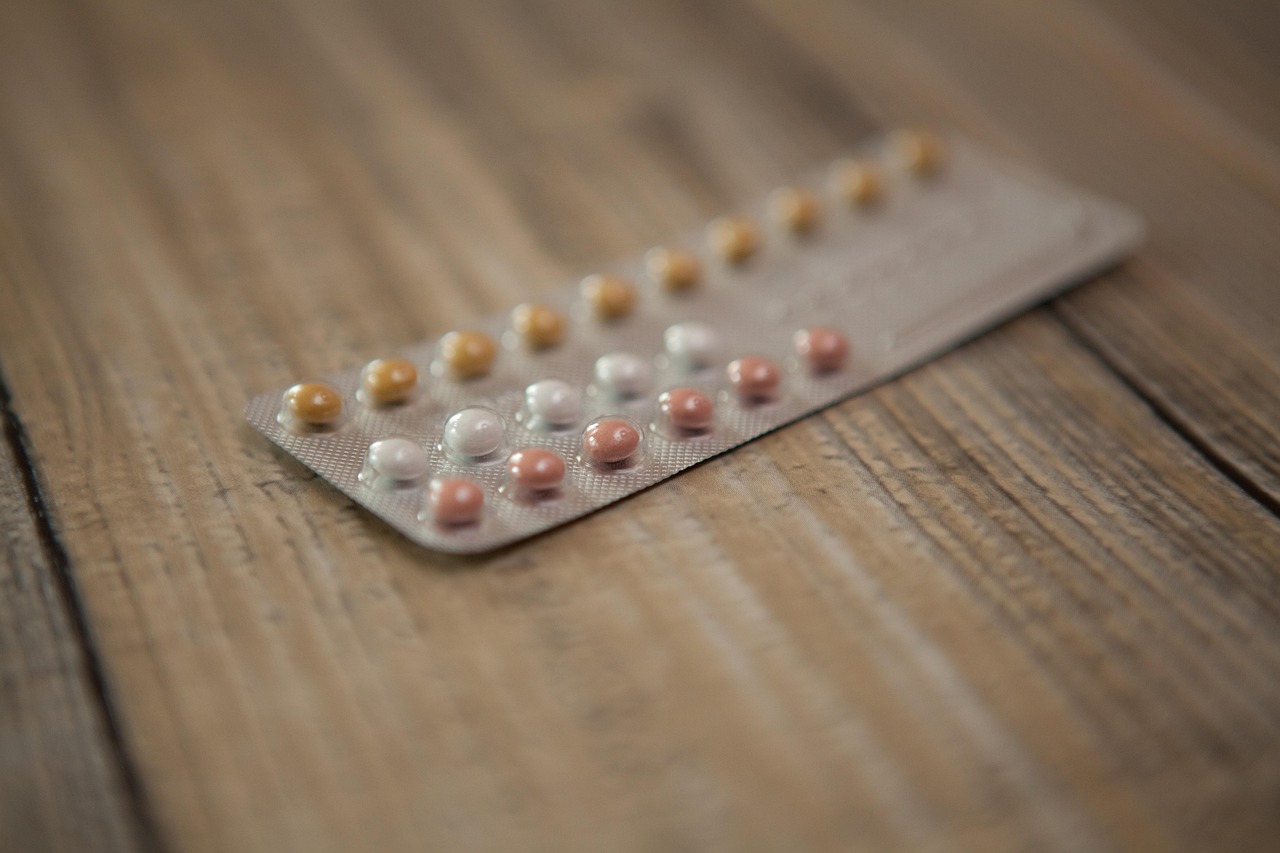

You are 47. Your periods are erratic. You have hot flashes. You assume the baby-making factory is closed for business. You might be tempted to throw away the condoms or stop the pill. Don’t.
This is the Perimenopausal Pregnancy Trap. While your fertility is certainly plummeting, it is not zero. In fact, women in the 45–49 age bracket have a surprisingly high rate of unintended pregnancies, second only to teenagers. Why? Because they let their guard down exactly when their ovaries decide to throw a “Going Out of Business Sale.”
The “Sputtering” Engine
Think of your ovaries like an old car engine. It might stall for three months (no period), leading you to believe it’s dead. Then, suddenly, it backfires and kicks into gear for one perfect, high-performance month. During perimenopause, your FSH (Follicle Stimulating Hormone) levels are screaming high. This is the brain shouting at the ovaries. Occasionally, the ovaries listen. They recruit a follicle, mature an egg, and release it. If you happen to have unprotected sex during that random “spontaneous ovulation” window, you can absolutely get pregnant.+1
The Risks are Higher
Pregnancy in your late 40s is medically categorized as “Very Advanced Maternal Age.” It carries significantly higher risks for both mother and baby, including:
- Chromosomal Abnormalities: The quality of the remaining eggs is low. The risk of Down Syndrome and other genetic issues skyrockets.
- Miscarriage: The rate of spontaneous miscarriage is over 50% for women over 45.
- Health Complications: Higher risk of pre-eclampsia, gestational diabetes, and cardiac stress for the mother.
When Can You Stop?
The medical rule is strict: You need contraception until you are officially Post-Menopausal.
- If you are under 50: You need to be period-free for 2 years to be safe.
- If you are over 50: You need to be period-free for 1 year (The 12-Month Clock).
Until you cross that finish line, you are playing Russian Roulette with your fertility.
The Best Options for the Transition
Your contraceptive needs at 48 are different than they were at 28. You need something that prevents pregnancy but also perhaps helps with perimenopausal symptoms.
1. The Mirena IUD (The Gold Standard) This is often the MVP of perimenopause. It releases a tiny amount of progestin directly into the uterus.
- Benefit 1: It prevents pregnancy (99% effective).
- Benefit 2: It thins the uterine lining, which stops the “heavy flooding” periods that plague this phase.
- Benefit 3: It can act as the “Progesterone” part of your HRT if you decide to take Estrogen patches later.
2. The Mini-Pill (Progestin Only) Estrogen-containing pills can be risky for some older women (clot risk), especially if you smoke or have high blood pressure. The Mini-Pill is safer. It thickens cervical mucus to block sperm.
3. Barrier Methods (Condoms) If you are done with hormones, condoms are simple, effective, and zero-side-effect.
4. Sterilization (Vasectomy) If you are in a long-term partnership, this is often the kindest conversation to have. A vasectomy is a minor 20-minute procedure for him; a tubal ligation is major abdominal surgery for you. If you have carried the burden of birth control for 30 years, it might be his turn.
Do not assume you are safe just because you skipped a month. Until the doctor certifies you as Menopausal, keep the goalie in the net.