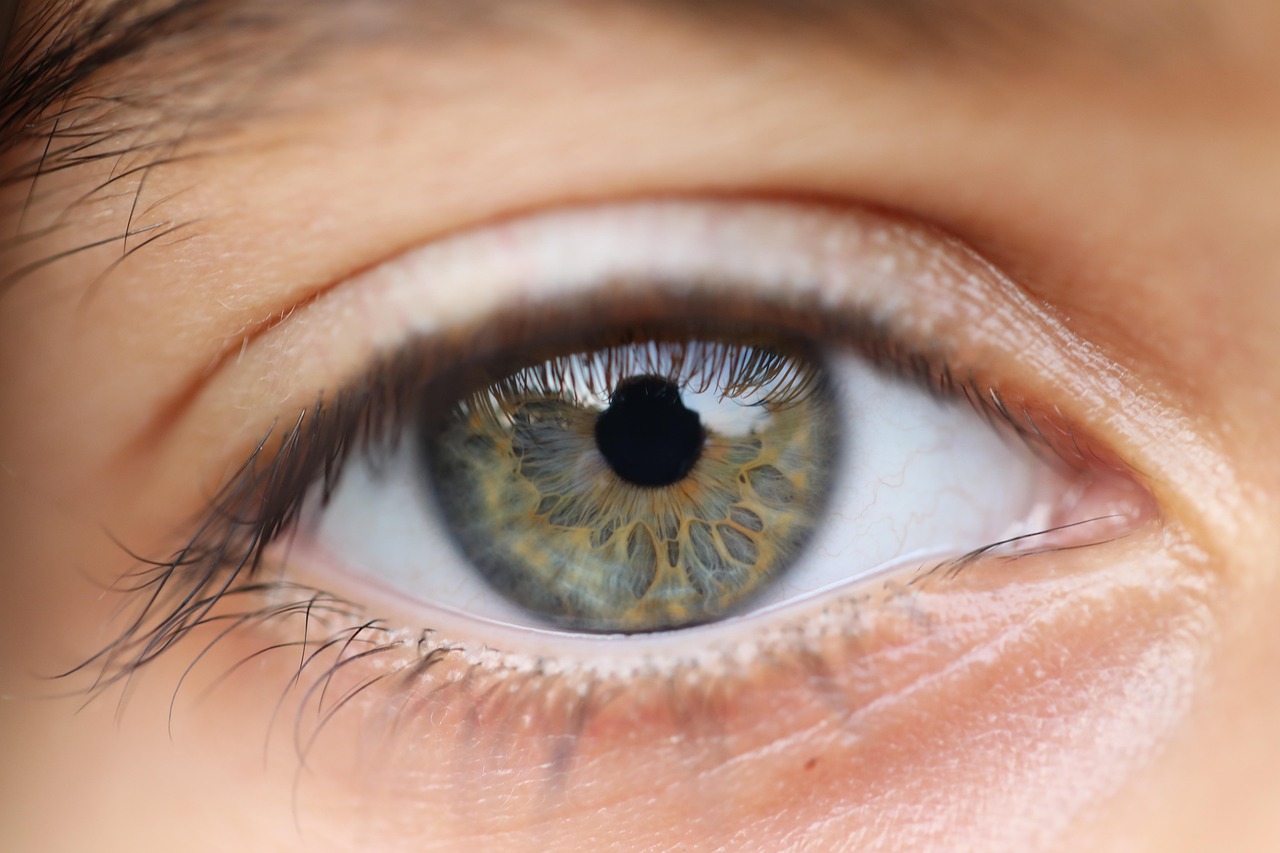
You are driving at night, and the headlights from oncoming cars look like starbursts. You rub your eyes, but they feel gritty, like someone threw a handful of sand in your face. You go to your eye doctor, convinced your prescription has changed drastically because your vision is blurry one minute and clear the next. The doctor checks your eyes and says, “Your vision is fine. You just have dry eyes.”
It feels dismissive. “Just” dry eyes? It feels like you are blinking over sandpaper. This is Hormonal Dry Eye, or Keratoconjunctivitis Sicca. It is one of the first mucus membrane changes that happens in perimenopause, often appearing long before vaginal dryness.
The Mechanism: The Tear Film Failure
Your tears are not just water. They are a complex “sandwich” made of three layers:+1
- Mucus Layer: Sticks the tear to the eye.
- Aqueous (Water) Layer: Hydrates the eye.
- Lipid (Oil) Layer: Floats on top to prevent the water from evaporating.
Hormones control the factories that make these layers.
- Estrogen regulates the Lacrimal Glands (which make the water). When estrogen drops, you produce less volume.
- Androgens (Testosterone) regulate the Meibomian Glands (which make the oil). As androgens shift, the oil becomes thick and clogged.
The Result: You have fewer tears, and the tears you do make evaporate instantly because the oil layer is missing. This is “Evaporative Dry Eye.”
The “Fluctuating Vision” Phenomenon
The most confusing symptom is that your vision seems to change throughout the day.
- Morning: You might wake up with your eyelids stuck together or blurry vision.
- Mid-day: Vision is clear.
- Evening: Vision gets blurry again, especially when reading or looking at screens.
This happens because the tear film creates the smooth optical surface of your eye. When the film breaks apart (dry spots), light scatters instead of focusing. You blink, recoat the eye, and vision clears for a few seconds—until it dries again. You don’t need new glasses; you need a better surface.+1
The Contact Lens Rebellion
Many women who have worn contact lenses happily for 20 years suddenly find they cannot tolerate them. The lens floats on the tear film. If the film is gone, the lens sits directly on the cornea like a suction cup. It feels scratchy, irritating, and often pops out because there is no suction to hold it.
- The Pivot: You may need to switch to “Daily” lenses (which are thinner and wetter) or give your eyes a break with glasses to allow the cornea to heal.
The Rescue Plan: Lubricate and Unclog
You cannot just use Visine (which removes redness but worsens dryness). You need to treat the glands.
1. Omega-3 Fatty Acids (Internal Lube) This is the single most effective systemic treatment. High-dose Omega-3s (2,000mg daily) change the composition of the oil in your Meibomian glands. It makes the oil thinner and smoother, allowing it to flow out and coat the eye properly.
2. The Warm Compress (The Melter) Since the oil glands are clogged with thick, waxy oil, you need to melt it. Use a Bruder Mask (a microwaveable eye mask) for 10 minutes at night. The heat liquefies the blockage. Immediately after, gently massage your eyelids. This gets the oil flowing again.+1
3. Preservative-Free Tears Stop using “Get the Red Out” drops. They constrict blood vessels and dry you out further. Look for “Preservative-Free” artificial tears (usually usually come in single-use vials). Preservatives (like BAK) are toxic to the corneal surface if used more than 4 times a day. You can use preservative-free drops as often as you want.
4. Hydration is Key It sounds obvious, but you cannot make tears if you are dehydrated. If your urine is dark, your eyes will be dry. Electrolytes help push water into the mucus membranes.
5. The Screen Break When you look at a phone or computer, your blink rate drops by 66%. You are literally staring your eyes dry. Use the 20-20-20 Rule: Every 20 minutes, look at something 20 feet away for 20 seconds. Force a hard blink. This resets the tear film.
Your eyes are the window to your hormonal health. If they are dry, it’s a sign that your other mucous membranes (sinus, gut, vagina) are likely dry too. Systemic hydration is the answer.