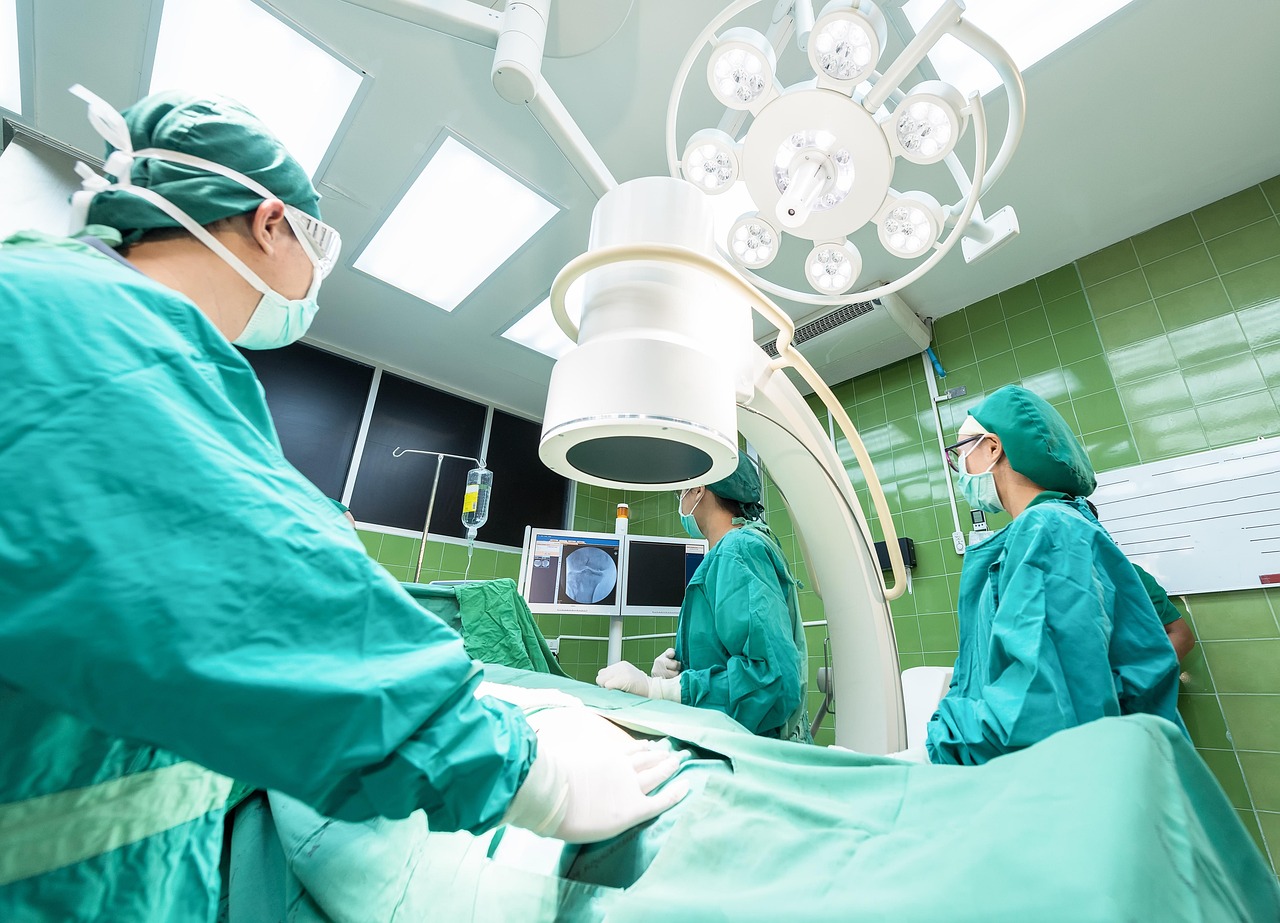
When medication fails to stop the flood of perimenopausal bleeding, the roadmap forks. You are standing at a major intersection. On one side is Endometrial Ablation; on the other is Hysterectomy.
Both procedures are designed to stop the heavy bleeding that plagues the late reproductive phase, but they are radically different in scope, recovery, and permanence. Many women feel rushed into these procedures by well-meaning gynecologists who see heavy bleeding as a mechanical problem to be fixed quickly. However, choosing between them is a highly individual trade-off between “Quick and Easy” versus “Definitive and Major.” Understanding the mechanics of both is the only way to make an informed choice for your body.
Option A: Endometrial Ablation (The Resurfacing)
Think of the uterus like a road. The problem with heavy bleeding is that the asphalt (the endometrial lining) is too thick, too unstable, and riddled with potholes. Ablation is essentially “resurfacing the road” so the grass can never grow there again.
How It Works: Ablation is a minimally invasive, outpatient procedure. The doctor inserts a wand through the cervix (no incisions are made on your abdomen) and uses extreme heat, extreme cold (cryoablation), or radiofrequency energy to burn away the endometrial lining of the uterus. By destroying the root layer of the lining, it can no longer grow back thick enough to cause heavy bleeding. For about 40% of women, it stops periods entirely. For another 40%, it reduces them to a light spotting.
The Pros:
- Speed: The active part of the procedure takes about 90 seconds to 2 minutes. You are at the hospital for a few hours and go home the same day.
- Recovery: Most women are back to work in 2 to 3 days. You will experience heavy cramping, similar to labor pains, for the first 12 hours, but it is usually manageable with Ibuprofen and a heating pad after that.
- Organ Preservation: You keep your uterus. This is important for women who feel a psychological attachment to their womb, who worry about pelvic floor strength, or who want to avoid the risks of major organ removal.
The Cons (The “Failure Rate” and the Trapped Blood): Ablation is not always a permanent fix, and this is where many women feel misled. The lining can grow back, especially in younger women (under 45) whose ovaries are still pumping out high levels of estrogen.
- The 5-Year Stat: About 25% to 30% of women who have an ablation will end up needing a hysterectomy within five years.
- Post-Ablation Tubal Sterilization Syndrome (PATSS): If the lining grows back in pockets behind the scar tissue created by the ablation, the blood has nowhere to go. It gets trapped inside the uterine muscle, causing excruciating, labor-like pain every month with no bleeding.
- No Cancer Screening: Once you burn the lining, the scar tissue makes it very difficult for doctors to biopsy the uterus later to check for uterine cancer. If you are high-risk for uterine cancer or have a history of abnormal cells, this procedure is usually not recommended.
Option B: Hysterectomy (The Removal)
If Ablation is road resurfacing, Hysterectomy is removing the road entirely. It is the definitive, “nuclear” option for heavy bleeding.
How It Works: This is major surgery to remove the uterus. Thanks to modern medicine, this is rarely done through a large abdominal incision anymore. It is most often done laparoscopically (through tiny keyhole incisions in the belly) or vaginally.
- Partial Hysterectomy: Removing just the uterus (keeping the cervix).
- Total Hysterectomy: Removing the uterus and cervix.
- The Ovaries (The Crucial Question): For perimenopause bleeding, the goal is to keep your ovaries. Removing the uterus stops the bleeding, but keeping the ovaries prevents you from being thrown into instant surgical menopause. You will no longer bleed, but your hormones will continue to cycle naturally until your ovaries retire on their own.
The Pros:
- 100% Cure Rate: You will never bleed again. Guaranteed. You can throw away your pads, tampons, and iron pills.
- No More Cramps: Without a uterus, menstrual cramps are physically impossible.
- Fibroid and Adenomyosis Fix: If your bleeding is caused by large fibroids or adenomyosis (a painful condition where the lining grows into the muscle), this removes the problem permanently. They cannot grow back.
The Cons:
- Major Recovery: This is not a weekend recovery. You are looking at 4 to 6 weeks of downtime. You cannot lift anything heavier than a gallon of milk for a month. You will experience significant fatigue as your body heals from the internal trauma.
- Surgical Risks: As with any major surgery under general anesthesia, there are risks of infection, damage to the bladder or ureter, and blood clots.
- Pelvic Floor Changes: The uterus acts as a structural anchor in the pelvis. Removing it can sometimes increase the risk of bladder or vaginal prolapse later in life, though modern surgical techniques (like suspending the vaginal vault) have dramatically reduced this risk.
How to Decide: The Litmus Test
The decision usually comes down to two factors: Age and Anatomy.
The “Stopgap” Candidate: If you are 49, your fibroids are small, and you just need to bridge the gap to menopause (which is likely only one or two years away), Ablation is a fantastic, low-risk bridge. Your ovaries will shut down before the lining has a chance to grow back.
The “Definitive” Candidate: If you are 42, have massive fibroids or adenomyosis, and are facing 10 more years of high-estrogen cycling, an Ablation has a high chance of failing. A Hysterectomy might be the better “one and done” investment, despite the longer recovery. It prevents you from needing a second surgery five years down the line.
The Doctor Conversation: When you meet with your surgeon, do not just ask “which is better.” Ask for the data. Say: “If I have an ablation, what is the statistical likelihood—based on my specific age and my ultrasound results—that I will end up needing a hysterectomy in 5 years?” Make them give you the number. Your choice depends on your tolerance for that risk.