You have decided to try Hormone Replacement Therapy (HRT). You walk into the pharmacy, and you are overwhelmed. There are stickers. There are pumps. There are pills. There are sprays that look like sunscreen.
Does it matter which one you choose? Yes. The “route of administration”—how the hormone enters your body—changes its safety profile, its side effects, and how you feel. In modern menopause care, the battle is largely between Oral (swallowing it) and Transdermal (absorbing it through the skin).
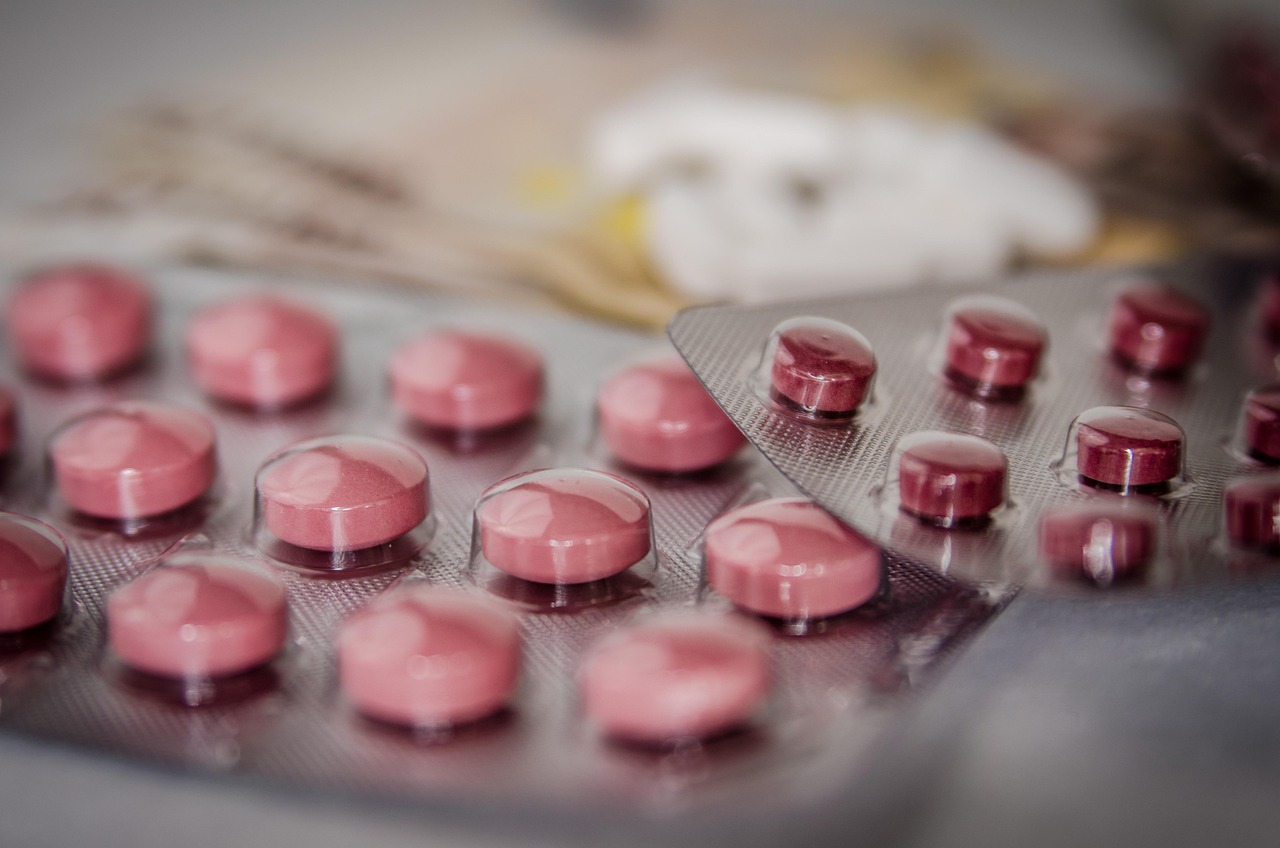
The Oral Pill: The Old School Route
For decades, HRT meant swallowing a pill every morning. It is easy, familiar, and cheap. Pros:
- Convenience: Pop it and go. No sticky residue.
- Cost: Usually the cheapest option on insurance.
Cons (The “First Pass” Effect): When you swallow estrogen, it goes into your stomach and then directly to your Liver. The liver metabolizes it before it enters your bloodstream. This is called the “First Pass Effect.”
Shutterstock
Explore
Because the liver is hit with a high dose of estrogen, it reacts by:
- Increasing Clotting Factors: This slightly raises the risk of blood clots (DVT) and stroke.
- Raising SHBG: Sex Hormone Binding Globulin increases, which can bind up your Testosterone, potentially killing your libido further.
- Inflammation: It can raise C-Reactive Protein (an inflammation marker).
The Verdict: Oral estrogen is generally safe for healthy, young menopausal women, but it is not the first choice for women with high blood pressure, migraine, or clot risk.
The Transdermal Route: The Modern Gold Standard
Transdermal means “through the skin.” This includes Patches, Gels, and Sprays. Crucially, transdermal estrogen bypasses the liver. It goes directly into the bloodstream, just like the hormones your ovaries used to make. The Safety Win: Because it skips the liver, transdermal estrogen does not increase the risk of blood clots. It is safe for women with migraines, high blood pressure, and higher BMI.
1. The Patch (Estradiol)
This is a small, clear sticker you apply to your lower belly or hip. You change it either twice a week (e.g., Vivelle-Dot) or once a week (e.g., Climara).
- Pros: “Set it and forget it.” It provides a steady, constant trickle of hormones 24/7. You don’t get the daily “highs and lows.”
- Cons: Adhesive allergies. About 10% of women get a red, itchy square under the patch. Also, “Patch Panic”—wondering if it fell off in the shower.
2. The Gel (Estrogel / Divigel)
This is a clear, odorless gel you rub onto your arm or thigh every morning. It dries in 2 minutes.
- Pros: Total flexibility. If you feel weepy, you can pump a little extra. If your breasts hurt, you use a little less. No itchy adhesive.
- Cons: Transfer risk. You cannot let your husband, kids, or pets touch your arm for an hour until it is fully absorbed, or you might accidentally dose them. You have to remember to do it every day.
3. The Spray (Evamist)
A tiny spray applied to the inner forearm.
- Pros: The fastest to dry (seconds). Very discreet.
- Cons: Harder to visualize the exact dose compared to a pump of gel.
Which is Best?
Most menopause specialists start with the Patch. It ensures steady levels (good for mood stability) and compliance (you can’t forget it). If the patch falls off or itches, switch to the Gel. Use the Pill only if you cannot tolerate transdermal options or if you specifically need the liver effect (sometimes oral estrogen helps lower cholesterol, ironically).
The goal is to mimic nature. Your ovaries didn’t dump hormones into your stomach; they released them into the blood. Transdermal is the closest mimic.